Shri Shiv Tandav Stotram Lyrics in Hindi and English Lyrics by Asura King Raavan

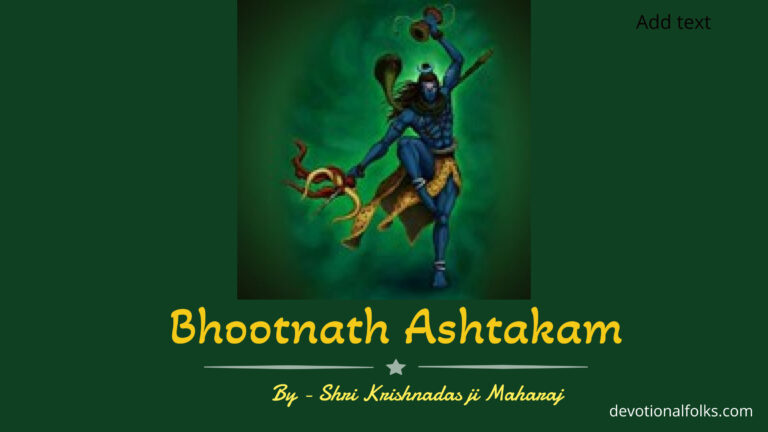
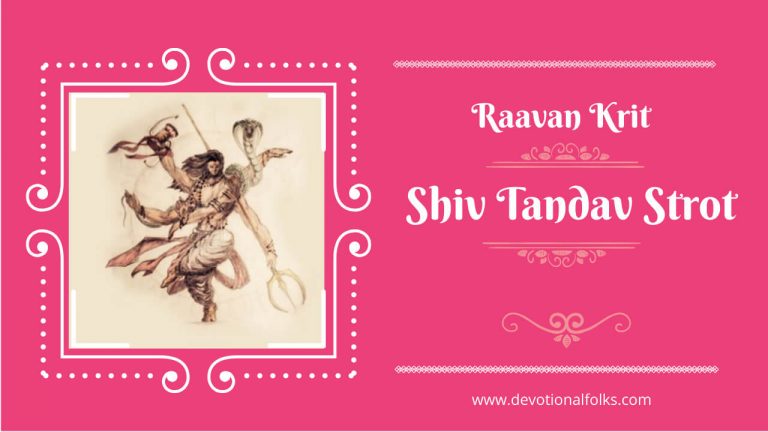
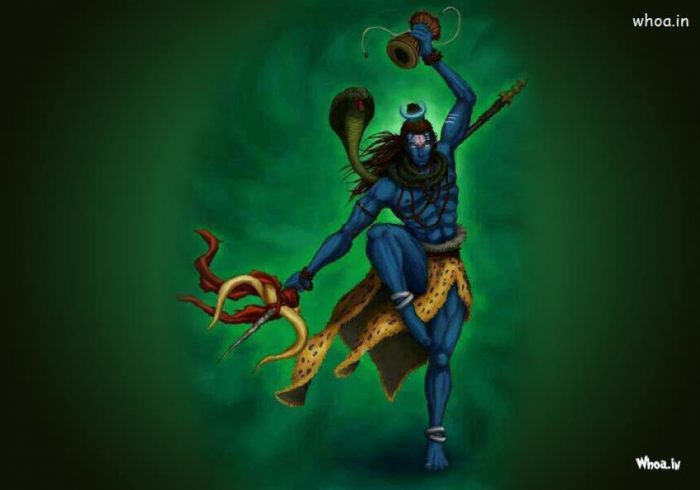
Shiv Tandav Stotram was composed by asura king Raavan. In fact, Raavan was an ardent devotee of Lord Shiva. One of the scholastic achievements of Raavan was his knowledge of Sanskrit grammar. This stotra shows how he seeks his blessings by depicting him dancing. He composed many hymns. But this is one of his best and popular.

Raavan described the celestial dance of Shiva in his beautiful written Tandav stotram.

Shiv Tandav Stotram – Lyrics in Sanskrit

शिव तांडव स्त्रोत

shiv tandav strotam

जटा टवी गलज्जलप्रवाह पावितस्थले गलेऽव लम्ब्यलम्बितां भुजंगतुंग मालिकाम्‌।

डमड्डमड्डमड्डमन्निनाद वड्डमर्वयं चकारचण्डताण्डवं तनोतु नः शिव: शिवम्‌ ॥१॥

जटाकटा हसंभ्रम भ्रमन्निलिंपनिर्झरी विलोलवीचिवल्लरी विराजमानमूर्धनि।

धगद्धगद्धगज्ज्वल ल्ललाटपट्टपावके किशोरचंद्रशेखरे रतिः प्रतिक्षणं मम: ॥२॥

धराधरेंद्रनंदिनी विलासबन्धुबन्धुर स्फुरद्दिगंतसंतति प्रमोद मानमानसे।

कृपाकटाक्षधोरणी निरुद्धदुर्धरापदि क्वचिद्विगम्बरे मनोविनोदमेतु वस्तुनि ॥३॥

जटाभुजंगपिंगल स्फुरत्फणामणिप्रभा कदंबकुंकुमद्रव प्रलिप्तदिग्व धूमुखे।

मदांधसिंधु रस्फुरत्वगुत्तरीयमेदुरे मनोविनोदद्भुतं बिंभर्तुभूत भर्तरि ॥४॥

सहस्रलोचन प्रभृत्यशेषलेखशेखर प्रसूनधूलिधोरणी विधूसरां घ्रिपीठभूः।

भुजंगराजमालया निबद्धजाटजूटकः श्रियैचिरायजायतां चकोरबंधुशेखरः ॥५॥

ललाटचत्वरज्वल द्धनंजयस्फुलिंगभा निपीतपंच सायकंनम न्निलिंपनायकम्‌।

सुधामयूखलेखया विराजमानशेखरं महाकपालिसंपदे शिरोजटालमस्तुनः ॥६॥

करालभालपट्टिका धगद्धगद्धगज्ज्वल द्धनंजया धरीकृतप्रचंड पंचसायके।

धराधरेंद्रनंदिनी कुचाग्रचित्रपत्र कप्रकल्पनैकशिल्पिनी त्रिलोचनेरतिर्मम ॥७॥

नवीनमेघमंडली निरुद्धदुर्धरस्फुर त्कुहुनिशीथनीतमः प्रबद्धबद्धकन्धरः।

निलिम्पनिर्झरीधरस्तनोतु कृत्तिसिंधुरः कलानिधानबंधुरः श्रियं जगंद्धुरंधरः ॥८॥

प्रफुल्लनीलपंकज प्रपंचकालिमप्रभा विडंबि कंठकंध रारुचि प्रबंधकंधरम्‌।

स्मरच्छिदं पुरच्छिंद भवच्छिदं मखच्छिदं गजच्छिदांधकच्छिदं तमंतकच्छिदं भजे ॥९॥

अखर्वसर्वमंगला कलाकदम्बमंजरी रसप्रवाह माधुरी विजृंभणा मधुव्रतम्‌।

स्मरांतकं पुरातकं भावंतकं मखांतकं गजांतकांधकांतकं तमंतकांतकं भजे ॥१०॥

जयत्वदभ्रविभ्रम भ्रमद्भुजंगमस्फुरद्ध गद्धगद्विनिर्गमत्कराल भाल हव्यवाट्।

धिमिद्धिमिद्धि मिध्वनन्मृदंग तुंगमंगलध्वनिक्रमप्रवर्तित: प्रचण्ड ताण्डवः शिवः ॥११॥

दृषद्विचित्रतल्पयो र्भुजंगमौक्तिकमस्र जोर्गरिष्ठरत्नलोष्ठयोः सुहृद्विपक्षपक्षयोः।

तृणारविंदचक्षुषोः प्रजामहीमहेन्द्रयोः समं प्रवर्तयन्मनः कदा सदाशिवं भजे ॥१२॥

कदा निलिंपनिर्झरी निकुंजकोटरे वसन्‌ विमुक्तदुर्मतिः सदा शिरःस्थमंजलिं वहन्‌।

विमुक्तलोललोचनो ललामभाललग्नकः शिवेति मंत्रमुच्चरन्‌ कदा सुखी भवाम्यहम्‌ ॥१३॥

इमं हि नित्यमेव मुक्तमुक्तमोत्तम स्तवं पठन्स्मरन्‌ ब्रुवन्नरो विशुद्धमेति संततम्‌।

हरे गुरौ सुभक्तिमाशु याति नान्यथागतिं विमोहनं हि देहिनां सुशंकरस्य चिंतनम् ॥१४ ॥

पूजावसानसमये दशवक्त्रगीतं यः शम्भुपूजनपरं पठति प्रदोषे ।
तस्य स्थिरां रथगजेन्द्रतुरङ्गयुक्तां लक्ष्मीं सदैव सुमुखीं प्रददाति शम्भुः ॥१५॥

इति श्रीरावण कृतम् शिव ताण्डव स्तोत्रम् सम्पूर्णम्

shiv tandav strot

Shiv Tandav Stotram in English

Jatatavigalajjala pravahapavitasthale,
Galeavalambya lambitam bhujangatungamalikam |
Damad damad damaddama ninadavadamarvayam,
Chakara chandtandavam tanotu nah shivah shivam ||1||

Jata kata hasambhrama bhramanilimpanirjhari,
Vilolavichivalarai virajamanamurdhani |
Dhagadhagadhagajjva lalalata pattapavake,
Kishora chandrashekhare ratih pratikshanam mama ||2||

Dharadharendrana ndinivilasabandhubandhura,
Sphuradigantasantati pramodamanamanase |
Krupakatakshadhorani nirudhadurdharapadi,
Kvachidigambare manovinodametuvastuni ||3||

Jata bhujan gapingala sphuratphanamaniprabha,
Kadambakunkuma dravapralipta digvadhumukhe |
Madandha sindhu rasphuratvagutariyamedure,
Mano vinodamadbhutam bibhartu bhutabhartari ||4||

Sahasra lochana prabhritya sheshalekhashekhara,
Prasuna dhulidhorani vidhusaranghripithabhuh |
Bhujangaraja malaya nibaddhajatajutaka,
Shriyai chiraya jayatam chakora bandhushekharah ||5||

Lalata chatvarajvaladhanajnjayasphulingabha,
Nipitapajnchasayakam namannilimpanayakam |
Sudha mayukha lekhaya virajamanashekharam,
Maha kapali sampade shirojatalamastu nah ||6||

Karala bhala pattikadhagaddhagaddhagajjvala,
Ddhanajnjaya hutikruta prachandapajnchasayake |
Dharadharendra nandini kuchagrachitrapatraka,
Prakalpanaikashilpini trilochane ratirmama ||7||

Navina megha mandali niruddhadurdharasphurat,
Kuhu nishithinitamah prabandhabaddhakandharah |
Nilimpanirjhari dharastanotu krutti sindhurah,
Kalanidhanabandhurah shriyam jagaddhurandharah ||8||

Praphulla nila pankaja prapajnchakalimchatha,
Vdambi kanthakandali raruchi prabaddhakandharam |
Smarachchidam purachchhidam bhavachchidam makhachchidam,
Gajachchidandhakachidam tamamtakachchidam bhaje ||9||

Akharvagarvasarvamangala kalakadambamajnjari,
Rasapravaha madhuri vijrumbhana madhuvratam |
Smarantakam purantakam bhavantakam makhantakam,
Gajantakandhakantakam tamantakantakam bhaje ||10||

Jayatvadabhravibhrama bhramadbhujangamasafur,
Dhigdhigdhi nirgamatkarala bhaal havyavat |
Dhimiddhimiddhimidhva nanmrudangatungamangala,
Dhvanikramapravartita prachanda tandavah shivah ||11||

Drushadvichitratalpayor bhujanga mauktikasrajor,
Garishtharatnaloshthayoh suhrudvipakshapakshayoh |
Trushnaravindachakshushoh prajamahimahendrayoh,
Sama pravartayanmanah kada sadashivam bhajamyaham ||12||

Kada nilimpanirjhari nikujnjakotare vasanh,
Vimuktadurmatih sada shirah sthamajnjalim vahanh |
Vimuktalolalochano lalamabhalalagnakah,
Shiveti mantramuchcharan sada sukhi bhavamyaham ||13||

Imam hi nityameva muktamuttamottamam stavam,
Pathansmaran bruvannaro vishuddhimeti santatam |
Hare gurau subhaktimashu yati nanyatha gatim,
Vimohanam hi dehinam sushankarasya chintanam ||14||

Puja vasanasamaye dashavaktragitam,
Yah shambhupujanaparam pathati pradoshhe |
Tasya sthiram rathagajendraturangayuktam,
Lakshmim sadaiva sumukhim pradadati shambhuh ||15||

You may also like to Read – Shiv Chalisa, Shiva Panchakshar Stotram

History of Raksha Bandhan

History and Importance of Raksha Bandhan

rakshabandhan

Raksha Bandhan is one of the famous and popular festivals of India. Raksha Bandhan means bond of protection. It is a celebration of the bond of affection between brothers and sisters. The relationship between siblings denotes invaluable friendship and loving bond and sometimes fights over trivial things. This festival makes this eternal bond more strong and deeper. Sister ties thread to her brother’s wrist and pray for his well-being and happiness while brother gives a gift or shagun and takes a pledge to protect her. It’s an occasion of family bonding and togetherness. This celebration breaks the monotony of daily life and brings the family together to celebrate the festival.

This year on 26th August, Raksha Bandhan or Rakhi will be celebrated all across the Indian subcontinent, Nepal, Mauritius, and Hindu communities all over the world. Sikh and Jain communities also celebrate Raksha Bandhan.

rakshabandhan

The full moon day of Shravan month is one of the auspicious days in a Hindu calendar. fisher communities of Maharashtra, Goa, and Kerela celebrate this day as Narali Poornima or Nariyal Poornima and they pray Sea God Varun to seek protection.  In West Bengal, Jhulan Poornima is marked for worshiping Radha Krishna. In central India, people celebrate Kajari Poornima. Gamha Poornima celebrates in the state of Odisha while Avani Avittam in South India. In Uttarakhand, brahmins observe Yojnopavit or Janeyu change ceremony.

Legends behind Raksha Bandhan

Mentions of Raksha Bandhan dates back to puranic times. Our scriptures have many references for this ritual of tying string for well-being and protection from evil.  Punya Pradayak Parva and Paap Nashak Parv as mentioned in scriptures is another name of this festival, which means a festival that bestows the boon and destroys all sins.

The legend from Bhavishya Puran

During the devasur Sangram (God and demons war), Demon Brutra was on the verge of winning but lost to Indira. Upset by the losing the war, Bruta consulted Asur Guru Shukracharya. Guru Shukracharya told him that Dev Guru Brihaspati advised Indra to tie a consecrated string on Shravan Poornima. Indrani, wife of Indra tied thread energized by the mantra to his wrist. As a result, Indra won the battle. Rakshasutra made him Invincible. This is the impact of the Raksha sutra which not only protects but also gives power, wealth, and happiness.

Great Epic Mahabharata

In Raj-suya Yagya, Lord Krishna’s finger got hurt and started bleeding after slaying evil king Shishupala. Seeing the blood, Draupadi tore a part of her sari and tied it around Krishna’s wrist to stop blood flow. The kind act of Draupadi made Lord Krishna touched and indebted and he pledged to protect her in all circumstances whenever she needs. When Pandav lost her wife Draupadi in the gamble, Duryodhana ordered his brother Dussasana to disrobe her in court. Lord Krishna elongated Draupadi’s sari and thus saved her dignity.

rakshabandhan mahabharata

As mentioned in Mahabharat, Lord Krishna suggested Yudhishthira perform this sacred ritual to protect himself and the army from the ill effects of war. Therefore, on Lord Krishna’s advice, Kunti tied rakhi to her grandson Abhimanyu and Draupadi tied Rakhi to Lord Krishna.

Goddess Lakshmi And Demon King MahaBali

Lord Vishnu left his abode Vaikuntha to guard his ardent devotee Mahabali’s Kingdom. This made Goddess Lakshmi very sad. So, She took refuge in Bali’s palace in disguise as a Brahmin woman. On the day of Shravan Poornima, she tied rakhi to the wrist of Mahabali and revealed the truth and reason for coming to his place. Mahabali was moved to know the greatness of his Lord who himself came to protect him and his kingdom. As a result, He sacrificed everything he had for Lord Vishnu and Goddess Lakshmi. He requested Lord Vishnu to accompany Goddess Lakshmi in Vaikuntha.

Baleva, the other name of the festival marks the great devoutness of demon king Mahabali for Lord Vishnu. Thus from this day onward, it is customary to invite sisters on Shravan Poornima for thread tying ceremony.

Historical References of Raksha Bandhan

In 326BC wife of Alexander Roxana tied the Rakhi to King Pauras and took a promise from him not to harm his husband. Although King Pauras fought the battle but avoided a direct fight with Alexander so that he can serve his promise.

Rani Karnavati of Chittor sent Rakhi to Mughal Emperor Humayun and asked to protect her kingdom from the invasion of Bahadur Shah. Unfortunately, Humayun came late and She along with other women of the kingdom immolated themselves to save the honor from the hands of invaders.

From the history and origin of this festival, we can conclude that Raksha Bandhan not only holds significance for siblings but it is relevant in modern times as well. Rabindra Nath Tagore organized this festival to strengthen the communal bond between Hindus and Muslims during the colonial period. Therefore, Political parties celebrate this festival every year to promote harmonious relations between different societies.

rakshabandhan

Symbolically, this Hindu festival Raksha Bandhan is a festival of family, society, and harmony. On the core of this festival lies ancient wisdom of inculcating peaceful coexistence and righteous behavior towards each other.

Dev Uthani Ekadashi Vrat Katha and Mantra

0

All Vishnu devotees observe Dev Uthani Ekadashi vrat all across India and abroad. Read the article to know about Dev Uthani Ekadashi Vrat katha, Puja vidhi and mantra along with Tulsi Vivah story.

The eleventh day of Kartik month in waxing moon of Hindu calendar is known as many names such as Dev Uthani Ekadashi, Kartik Ekadashi, Prabodhini Ekadashi, Devuthav Ekadashi, Devothhani Gyaras, and Devutthana Ekadashi. This year it is falling on 25th November 2020 on Wednesday.

Lord Vishnu wakes up after a yoga slumber of four months in kshira Sagar from ashad Shukla and wakes up on Kartik Shukla Ekadashi.

dev utthani ekadashi

Basically, all auspicious works start from Devauthani Ekadashi, which were stopped on Devshayani Ekadashi. Lord Vishnu sleeps in these four months in kshira Sagar. This is the reason, Lord Vishnu is not worshiped on Diwali, but after awakening Lord Vishnu on Devauthani Ekadashi, all celebrate Dev Diwali by worshiping the deities, Lord Vishnu and Goddess Lakshmi.

Worshiping Lord Vishnu on the day of Devuthani Ekadashi keeps the special blessings of God on the whole family. With this, Goddess Lakshmi rains wealth, happiness, and prosperity at home.

Dev Uthani Ekadashi Puja Vidhi and Mantra

On the day of Prabodhini Ekadashi or Devauthani or Devotthani Ekadashi, people worship Lord Vishnu and Goddess Lakshmi.

To wake him up, devotees listen and read Bhagwat Katha, puranas, and sing bhajan in praise of the lord. People play ghanta, sankh, mridang, nagare and veena to wake Lord Vishnu from yog nidra.

People chant this mantra for Him to awake.

उत्तिष्ठो तिष्ठ गोविन्द त्यज निद्रां जगत्पते| त्वयि सुप्ते जगन्नाथ् जगत् सुप्तं भवेदिदम् ||

उत्थिते चेष्टते सर्वमुत्तिष्ठो तिष्ठ माधव | गता मेघा वियच्चैव निर्मलं निर्मलादिशः ||

Utitshthothist Govind tyaz nidram jagatapate| tvayi supte jagannath jagat suptam bhavedidam|

uthithe cheshte  sarva muttishthotitsht madav| gata megha viycchave nirmalam nirmaladisha ||

शारदानि च पुष्पाणि गृहान् मम केशव

Shardani ch pushpani grihan mam Keshav

After that worship him by offering different types of flowers, leaves, and fruits. Decorate his temple and home temple with Vandana var of mango leaves. Worship him as according to panchdev puja Vidhan. In the end sing aarti by lighting ghee diya or karpura diya.

After that offer flowers by chanting this mantra ;

यज्ञेन यज्ञमयजन्त देवास्तानि धर्माणि प्रथमान्यासन |

तेह् नाकं महिमानः सचन्त यत्र पूर्वे संध्याः सन्ति देवाः ||

Yagnen yagyamayjant devastani dharmani prathamanasyan |

theh naakam mahimaanah schant yatra purve sandhyah santi devah||

Pray with this mantra

इयं तु द्वादशी देव प्रबोधाय विनिर्मिता | त्वयैव सर्वलोकानां हितार्थं शेषसायिना ||

इदं व्रतं मया देव कृतं प्रीत्यै तव प्रभो | न्यूनं संपूर्णतां यातु तवत्प्रसादज्जनार्दन ||

Iyam tu Dwadashi dev prabhodhay vinirmita | tvayev sarvalokanam hitratham sheshsayina||

Idam vratam maya dev kritam preetaye tab prabho | nyunam sampurnataam yaatu tvatprasadajnardana||

After that, distribute the prasad of Panchamrit or charnamrit to all the devotees.

On this day, lamps should be lit outside the houses and at the place of worship.

Importance of Dev Uthani Ekadashi

Dharmaraja Yudhishthira asked krishna, “O God! I heard a detailed description of Kartik Krishna Ekadashi i.e. Rama Ekadashi. Now please kindly tell me about Ekadashi of Shukla Paksha of Kartik month. What is the name of this Ekadashi? What is the method and the result of observing this fast? Please explain all this in detail.

dev uthani ekadadhi vrat katha

Lord Shri Krishna said: This Ekadashi, which falls on the day of Tulsi wedding in the bright fortnight of Kartik month, is also called Vishnu Prabodhini Ekadashi, Dev-Prabodhini Ekadashi, Devotthan, Dev Uthav Ekadashi, Devauthani Ekadashi, Devotthan, Kartik Shukla Ekadashi, and Prabodhini Ekadashi. This is going to destroy the biggest sins. Listen carefully to what I am telling you.

Dev Uthani Ekadashi Vrat Katha

Once upon a time, there was a kingdom where everybody was fasting on Ekadashi. Nobody would eat food on that day including subjects, servants, and animals.

One day, A person from another kingdom, came to this state looking for a job. King got ready to give him a job but on one condition that he will not get to eat anything on the day of Ekadashi. He agreed and started working. When Ekadashi came, He was given fruits as a meal. But he felt hungry and pleaded to the king that fruits won’t be sufficient to fill his stomach. Therefore, he pleaded to the king to give him some grains otherwise he will die out of hunger.

The king reminded him about his agreement of not having grains on Ekadashi, but he pleaded and King arranged Flour, dal, and vegetables for him. After taking the supplies, He went to the river as usual and after a bath, prepared the meal. After preparing the meals, he called Bhagwan to come and have food with him.

On his calling, Chaturbhuj Shri Vishnu wearing yellow attire came and had food made by him. Shri Vishnu vanished after finishing the meals, and he went back to his work.

prabhodhini ekadashi

Fifteen days later, on the next Ekadashi, He went to the king and asked to double the supplies of grains because he remained hungry on the last Ekadashi. Maharaja asked the reason. On asking, he replied that Bhagwan came and ate along with him. That’s why the supplies are not enough for me.

After listening to his reply, the king got stunned. The king said I cannot trust you. I keep fast and worship Lord Vishnu, but He never came In front of me.

Hearing this, He said to the king – Maharaj! If you could not believe my words, why don’t you come and see by yourself?

On the day of Ekadashi, both went to the riverside. King hid behind the tree and that servant prepared the meals and started calling for the Lord to come and have the meal. But after calling many times, Sri Hari did not come. The evening was also getting over but Lord did not show off.

After waiting for so long, The person lost his hope and said I will give up my life by jumping into the river. After seeing no sign of the lord, he made up his mind to end his life. As he was about to jump into the river, Lord Vishnu on seeing his strong will came to him and had meals with him. After eating the foods, Lord Vishnu took him with him to his abode on his plane

Seeing this amazing Leela, King realized that just by observing fast, one cannot see Lord, for that to happen, one should observe fast wholeheartedly with full devotion. Subsequently, The king started to fast with a pure mind and finally got to heaven.

tulsi vivah

Tulsi Vivah

On Prabodhini Ekadashi, many people perform Tulsi Vivah, but five days starting from Ekadashi till Kartik Purnima is also a very auspicious time to perform Tulsi vivah Pujan.

As per Padmpuran. Kartik Shukla Navami is the day for performing Tulsi Vivah, But as per many scriptures, these five days from Ekadashi to Kartik Poornima are more auspicious and popular for Tulsi vivah.

Tulsi Vivah Story

There is a popular story behind the marriage of Lord Shaligram and Mata Tulsi. Actually, Vrinda, the wife of a demon named Jalandhar, was extremely pious. To defeat Jalandhar, it was necessary to deviate from the austerity of Vrinda. In order to do that, Lord Vishnu changed his form and tricked Vrinda, thus dissolving the piousness of Vrinda and, as a result, Lord Shiva killed Jalandhar.

For this deceit, Vrinda cursed Lord Vishnu to turn black rock. Consequently, Lord Vishnu transformed into sila and came to be called Shaligram. After the request of Goddess Lakshmi, She took back the curse from Lord Vishnu and self-immolated herself in the fire. Her ashes turned into Tulsi Plant.

In order to please Tulsi, Goddess Lakshmi and Lord Vishnu gave her a boon, that whoever worships Tulsi, will get the blessings of Lord Vishnu and Goddess Lakshmi. To commemorate Tulsi’s austerity, people organize Tulsi Vivah and get blessings from Lord Vishnu, Goddess Lakshmi, and Goddess Tulsi.

In a nutshell, Listening and reading Dev Uthani Ekadashi Vrat Katha and performing Tulsi Vivah on Dev Uthani Ekadashi is very auspicious and removes the big sins of many births.

You may also like to read Importance of Ekadashi Vrat.

Shiv Chalisa – 40 verses to invoke Grace of Lord Shiva

Shiv Chalisa is a prayer in praise of Lord Shiva. Lord Shiva along with Lord Brahma and Lord Vishnu are Gods of Hindu trinity. Lord Shiva is most revered God among Hindus. Praying Lord Shiva during Sravan month is very auspicious. Shiv Chalisa composed by a saint Ayodhyadas is easy to recite and fulfills the devotee with love and peace.

Shiv Chalisa Lyrics in Hindi

shiv chalisa

॥दोहा॥

जय गणेश गिरिजा सुवन, मंगल मूल सुजान। कहत अयोध्यादास तुम, देहु अभय वरदान॥

॥चौपाई॥

जय गिरिजा पति दीन दयाला। सदा करत सन्तन प्रतिपाला॥
भाल चन्द्रमा सोहत नीके। कानन कुण्डल नागफनी के॥

अंग गौर शिर गंग बहाये। मुण्डमाल तन क्षार लगाए॥
वस्त्र खाल बाघम्बर सोहे। छवि को देखि नाग मन मोहे॥

मैना मातु की हवे दुलारी। बाम अंग सोहत छवि न्यारी॥
कर त्रिशूल सोहत छवि भारी। करत सदा शत्रुन क्षयकारी॥

नन्दि गणेश सोहै तहँ कैसे। सागर मध्य कमल हैं जैसे॥
कार्तिक श्याम और गणराऊ। या छवि को कहि जात न काऊ॥

देवन जबहीं जाय पुकारा। तब ही दुख प्रभु आप निवारा॥
किया उपद्रव तारक भारी। देवन सब मिलि तुमहिं जुहारी॥

तुरत षडानन आप पठायउ। लवनिमेष महँ मारि गिरायउ॥
आप जलंधर असुर संहारा। सुयश तुम्हार विदित संसारा॥

त्रिपुरासुर सन युद्ध मचाई। सबहिं कृपा कर लीन बचाई॥
किया तपहिं भागीरथ भारी। पुरब प्रतिज्ञा तासु पुरारी॥

दानिन महँ तुम सम कोउ नाहीं। सेवक स्तुति करत सदाहीं॥
वेद माहि महिमा तुम गाई। अकथ अनादि भेद नहिं पाई॥

पूजन रामचन्द्र जब कीन्हा। जीत के लंक विभीषण दीन्हा॥
सहस कमल में हो रहे धारी। कीन्ह परीक्षा तबहिं पुरारी॥

एक कमल प्रभु राखेउ जोई। कमल नयन पूजन चहं सोई॥
कठिन भक्ति देखी प्रभु शंकर। भए प्रसन्न दिए इच्छित वर॥

जय जय जय अनन्त अविनाशी। करत कृपा सब के घटवासी॥
दुष्ट सकल नित मोहि सतावै। भ्रमत रहौं मोहि चैन न आवै॥

त्राहि त्राहि मैं नाथ पुकारो। येहि अवसर मोहि आन उबारो॥
लै त्रिशूल शत्रुन को मारो। संकट ते मोहि आन उबारो॥

मात-पिता भ्राता सब होई। संकट में पूछत नहिं कोई॥
स्वामी एक है आस तुम्हारी। आय हरहु मम संकट भारी॥

धन निर्धन को देत सदा हीं। जो कोई जांचे सो फल पाहीं॥
अस्तुति केहि विधि करैं तुम्हारी। क्षमहु नाथ अब चूक हमारी॥

शंकर हो संकट के नाशन। मंगल कारण विघ्न विनाशन॥
योगी यति मुनि ध्यान लगावैं। शारद नारद शीश नवावैं॥

नमो नमो जय नमः शिवाय। सुर ब्रह्मादिक पार न पाय॥
जो यह पाठ करे मन लाई। ता पर होत है शम्भु सहाई॥

ॠनियां जो कोई हो अधिकारी। पाठ करे सो पावन हारी॥
पुत्र होन कर इच्छा जोई। निश्चय शिव प्रसाद तेहि होई॥

पण्डित त्रयोदशी को लावे। ध्यान पूर्वक होम करावे॥
त्रयोदशी व्रत करै हमेशा। ताके तन नहीं रहै कलेशा॥

धूप दीप नैवेद्य चढ़ावे। शंकर सम्मुख पाठ सुनावे॥
जन्म जन्म के पाप नसावे। अन्त धाम शिवपुर में पावे॥

कहैं अयोध्यादास आस तुम्हारी। जानि सकल दुःख हरहु हमारी॥

॥दोहा॥

नित्त नेम कर प्रातः ही, पाठ करौं चालीसा। तुम मेरी मनोकामना, पूर्ण करो जगदीश॥
मगसर छठि हेमन्त ॠतु, संवत चौसठ जान। अस्तुति चालीसा शिवहि, पूर्ण कीन कल्याण॥

shiv chalisa

Shiv Chalisa lyrics in English

|| Doha ||

Jai Ganesh Girija Suvan,Mangal Mul Sujan
Kahat Ayodhya Das Tum, Dev Abhaya Varadan

|| Chaupai ||

Jai Girija Pati Dinadayala
Sada Karat Santan Pratipala
Bhala Chandrama Sohat Nike Kanan
Kundal Nagaphani Ke

Anga Gaur Shira Ganga Bahaye
Mundamala Tan Chhara Lagaye
Vastra Khala Baghambar Sohain Chhavi
Ko Dekha Naga Muni Mohain

Maina Matu Ki Havai Dulari
Vama Anga Sohat Chhavi Nyari
Kara Trishul Sohat Chhavi Bhari Karat
Sada Shatrun Chhayakari

Nandi Ganesh Sohain Tahan Kaise
Sagar Madhya Kamal Hain Jaise
Kartik Shyam Aur Ganara-U Ya Chhavi
Ko Kahi Jata Na Kauo

Devan Jabahi Jaya Pukara
Tabahi Dukha Prabhu Apa Nivara
Kiya Upadrav Tarak Bhari Devan Sab Mili
Tumahi Juhari

Turata Shadanana Apa Pathayau
Lava-Ni-Mesh Mahan Mari Girayau
Apa Jalandhara Asura Sanhara Suyash
Tumhara Vidit Sansara

Tripurasur Sana Yudha Machayi
Sabhi Kripakar Lina Bachayi
Kiya Tapahin Bhagiratha Bhari Purva
Pratigya Tasu Purari

Danin Mahan Tum Sama Kou Nahin
Sevak Astuti Karat Sadahin
Veda Nam Mahima Tab Gayaee Akatha
Anandi Bhed Nahin Payee

Pragate Udadhi Mantan Men Jvala
Jarat Sura-Sur Bhaye Vihala
Kinha Daya Tahan Kari Sahayee
Nilakantha Tab Nam Kahayee

Pujan Ramchandra Jab Kinha
Jiti Ke Lanka Vibhishan Dinha
Sahas Kamal Men Ho Rahe Dhari Kinha
Pariksha Tabahin Purari

Ek Kamal Prabhu Rakheu Joi
Kushal-Nain Pujan Chaha Soi
Kathin Bhakti Dekhi Prabhu Shankar
Bhaye Prasanna Diye-Ichchhit Var

Jai Jai Jai Anant Avinashi
Karat Kripa Sabake Ghat Vasi
Dushta Sakal Nit Mohin Satavai
Bhramat Rahe Mohin Chain Na Avai

Trahi-Trahi Main Nath Pukaro
Yahi Avasar Mohi Ana Ubaro
Lai Trishul Shatrun Ko Maro
Sankat Se Mohin Ana Ubaro

Mata Pita Bhrata Sab Hoi
Sankat Men Puchhat Nahin Koi
Svami Ek Hai Asha Tumhari
Ava Harahu Aba Sankat Bhari

Dhan Nirdhan Ko Deta Sadahin
Jo Koi Janche So Phal Pahin
Astuti Kehi Vidhi Karai Tumhari
Kshamahu Nath Aba Chuka Hamari

Shankar Ho Sankat Ke Nishan
Vighna Vinashan Mangal Karan
Yogi Yati Muni Dhyan Lagavan
Sharad Narad Shisha Navavain

Namo Namo Jai Namah Shivaya
Sura Brahmadik Par Na Paya
Jo Yah Patha Karai Man Lai
Tapar Hota Hai Shambhu Sahayee

Riniyan Jo Koi Ho Adhikari
Patha Karai So Pavan Hari
Putra-hin Ichchha Kar Koi
Nischaya Shiva Prasad Tehin Hoi

Pandit Trayodashi Ko Lave
Dhyan-Purvak Homa Karave
Trayodashi Vrat Kare Hamesha
Tan Nahin Take Rahe Kalesha

Dhupa Dipa Naivedya Charhavai
Anta Vasa Shivapur Men Pavai
Kahai Ayodhya Asha Tumhari
Jani Sakal Dukha Harahu Hamari

|| Doha ||

Nitya Nema kari Pratahi.Patha karau Chalis
Tum Meri Man Kamana,Purna Karahu Jagadish ||

Also read – Shiv Panchakshar Strot

for the translation of Shiv Chalisa you can check –https://www.mahashivratri.org/shiva-chalisa.html

Do comment your views about Shiv Chalisa in the comment box.

Shri Shiva Panchakshar Stotram

Shri Shiva Panchakshar Strotam

lord shiv
Composed by great Saint and poet Adi Shankaracharya, Shiv Panchakshar strotam is a boon for devotees of Shiva. Its recitation is very auspicious during the month of Shravan (Sawan).

Click to know more about Sawan Somvar vrat: Sawan Somvar Vrat

Shri Shiv Panchakshar Strotam

Nagendra-Haaraaya Tri-Lochanaaya
Bhasma-Anga-Raagaaya Maheshvaraaya |
Nityaaya Shuddhaaya Dig-Ambaraaya
Tasmai “Na” Kaaraaya Namah Shivaaya ||1||

नागेन्द्रहाराय त्रिलोचनाय
भस्माङ्गरागाय महेश्वराय ।
नित्याय शुद्धाय दिगम्बराय
तस्मै नकाराय नमः शिवाय

Who has three eyes, whose body is smeared with ashes, who wear clothes of directions means who is ever free, I bow down to ‘Na’ form of Shiv who is pure immortal Lord of Gods.

Mandaakinii-Salila-Chandan-Charchitaaya
Nandi-Eshvar-Pramatha-Naatha-Maheshvaraaya |
Mandaara-Pushpa-Bahu-Pushpa-Su-Puujitaaya
Tasmai “Ma” Kaaraaya Namah Shivaaya ||2||

मन्दाकिनीसलिलचन्दनचर्चिताय
नन्दीश्वरप्रमथनाथमहेश्वराय ।
मन्दारपुष्पबहुपुष्पसुपूजिताय,
तस्मै मकाराय नमः शिवाय।।

Who is worshiped by water from sacred river Ganga and smeared with sandal paste, revered with mandaar and other beautiful flowers. I salute to ‘Ma‘ form of Shiv who is the Lord of Nandi and other creatures.

Shivaaya Gauri-Vadana-Abja-Vrinda- 
Suuryaaya Daksha-dhvara-Naashakaaya |
Shri-Niilakanntthaaya Vrisa-Dhvajaaya
Tasmai “Shi” Kaaraaya Namah Shivaaya ||3||

शिवाय गौरीवदनाब्जबृंदा
सूर्याय दक्षाध्वरनाशकाय ।
श्रीनीलकण्ठाय वृषध्वजाय,
तस्मै शिकाराय नमः शिवाय ।।


ardhnarishwar

Who is blissful, and whose divine aura, which is like the sun brightens up beautiful smile of Devi Parvathi. Who destroyed Yagya of Daksha, whose flag has an image of a bull. I salute to’ shi‘ form of blue throat Shiva.

Vashissttha-Kumbhodbhava-Gautama-Aarya-
Muni-Indra-Deva-Aarcita-Shekharaaya |
Chandra-Aarka-Vaishvaanara-Lochanaaya
Tasmai “Va” Kaaraaya Namah Shivaaya ||4||

वशिष्ठकुम्भोद्भवगौतमार्यमूनीन्द्र देवार्चिता शेखराय ।
चन्द्रार्कवैश्वानरलोचनाय,
तस्मै वकाराय नमः शिवाय ।।

Vashistha, Agastya, and Gautham like great sages, and Indra and other devas revered him and worship him. I bow down to the ‘Va’ form of Shiva who has Sun, Moon, and Agni (fire) as his eyes.

Yajnya-Svaruupaaya Jataa-Dharaaya
Pinaaka-Hastaaya Sanaatanaaya |
Divyaaya Devaaya Dig-Ambaraaya
Tasmai “Ya” Kaaraaya Namah Shivaaya ||5||

यज्ञस्वरूपाय जटाधराय
पिनाकहस्ताय सनातनाय ।
दिव्याय देवाय दिगम्बराय
तस्मै यकाराय नमः शिवाय।।


Who is an embodiment of Yajna( sacrifice), who has matted hair, and carry trident in his hand, I bow down to ‘Ya’ form of divine and eternal Shiva.

Panchaaksaram-Idam Punnyam Yah Patthe-ch-Shiva-Sannidhau|
Shivalokam-vaapnoti Shivena Saha Modate ||6||

पञ्चाक्षरमिदं पुण्यं यः पठेच्छिवसंनिधौ ।
शिवलोकमावाप्नोति शिवेन सह मोदते।।

One who recites these verses in front of Shiva Linga attains Shiv Loka (Adobe of Shiva) and will be blissful forever.

You may also like to read Sri Rudrashtakam

Sri Ram Raksha Stotra – A Powerful Mantra for Protection

Sri Ram Raksha Stotra is a Sanskrit hymn to praise Lord Rama. As per ancient scriptures, Reciting Sri Ram Raksha Stotra in a proper way and with full dedication with utmost faith protects against all kinds of hardships in life. In Padma Purana, Maharishi Vishmamitra is mentioned as Budhrishi who penned down all stanzas of Ram Raksha Stotra as per Lords Shiva’s recital in his dream.

Importance of Sri Ram Raksha Stotra

Although the recitation of Sri Ram Raksha Stotram has immense merits, during Navratri, Its divinity increased by manifolds. Recitation with full fervor and adherence to rites and rituals can bring enormous material and spiritual wealth. During the time of Navratri, daily muttering all stanzas in the early hours or Brahma Muhurta 11 times for 45 days is more virtuous than Ashwamedh Yagna. The reader of Sri Ram Raksha Stotra not only attains all kinds of earthly pleasures and victory but can also attain salvation.

Sri Ram Raksha Stotram in Sanskrit

श्रीगणेशायनमः

विनियोग:

अस्य श्रीरामरक्षास्त्रोतमन्त्रस्य बुधकौशिक ऋषिः ।श्री सीतारामचंद्रो देवता ।अनुष्टुप छंदः। सीता शक्तिः ।
श्रीमान हनुमान कीलकम ।श्री सीतारामचंद्रप्रीत्यर्थे रामरक्षास्त्रोतजपे विनियोगः ।

अथ ध्यानम्‌:

ध्यायेदाजानुबाहुं धृतशरधनुषं बद्धपदमासनस्थं,
पीतं वासो वसानं नवकमल दल स्पर्धिनेत्रम् प्रसन्नम ।
वामांकारूढ़ सीता मुखकमलमिलल्लोचनम्नी,
रदाभम् नानालंकारदीप्तं दधतमुरुजटामण्डलम् रामचंद्रम ॥

shri rama raksha stotram

राम रक्षा स्तोत्रम्:

चरितं रघुनाथस्य शतकोटि प्रविस्तरम् ।
एकैकमक्षरं पुंसां महापातकनाशनम् ॥१॥

ध्यात्वा नीलोत्पलश्यामं रामं राजीवलोचनम् ।
जानकीलक्ष्मणोपेतं जटामुकुटमण्डितं ॥२॥

सासितूणधनुर्बाणपाणिं नक्तंचरान्तकम् ।
स्वलीलया जगत्त्रातुमाविर्भूतमजं विभुम् ॥३॥

रामरक्षां पठेत प्राज्ञः पापघ्नीं सर्वकामदाम् ।
शिरो मे राघवः पातु भालं दशरथात्मजः ॥४॥

कौसल्येयो दृशो पातु विश्वामित्रप्रियः श्रुति ।
घ्राणं पातु मखत्राता मुखं सौमित्रिवत्सलः ॥५॥

जिह्वां विद्यानिधिः पातु कण्ठं भरतवन्दितः ।
स्कन्धौ दिव्यायुधः पातु भुजौ भग्नेशकार्मुकः ॥६॥

करौ सीतापतिः पातु हृदयं जामदग्न्यजित ।
मध्यं पातु खरध्वंसी नाभिं जाम्बवदाश्रयः ॥७॥

सुग्रीवेशः कटी पातु सक्थिनी हनुमत्प्रभुः ।
उरु रघूत्तमः पातु रक्षःकुलविनाशकृताः ॥८॥

जानुनी सेतुकृत पातु जंघे दशमुखांतकः ।
पादौ विभीषणश्रीदः पातु रामअखिलं वपुः ॥९॥

एतां रामबलोपेतां रक्षां यः सुकृति पठेत ।
स चिरायुः सुखी पुत्री विजयी विनयी भवेत् ॥१०॥

पातालभूतल व्योम चारिणश्छद्मचारिणः ।
न द्रष्टुमपि शक्तास्ते रक्षितं रामनामभिः ॥११॥

रामेति रामभद्रेति रामचंद्रेति वा स्मरन ।
नरौ न लिप्यते पापैर्भुक्तिं मुक्तिं च विन्दति ॥१२॥

जगज्जैत्रैकमन्त्रेण रामनाम्नाभिरक्षितम् ।
यः कण्ठे धारयेत्तस्य करस्थाः सर्वसिद्धयः ॥१३॥

वज्रपञ्जरनामेदं यो रामकवचं स्मरेत ।
अव्याहताज्ञाः सर्वत्र लभते जयमंगलम् ॥१४॥

आदिष्टवान् यथा स्वप्ने रामरक्षामिमां हरः ।
तथा लिखितवान् प्रातः प्रबुद्धो बुधकौशिकः ॥१५॥

आरामः कल्पवृक्षाणां विरामः सकलापदाम् ।
अभिरामस्त्रिलोकानां रामः श्रीमान स नः प्रभुः ॥१६॥

तरुणौ रूपसम्पन्नौ सुकुमारौ महाबलौ ।
पुण्डरीकविशालाक्षौ चीरकृष्णाजिनाम्बरौ ॥१७॥

फलमूलाशिनौ दान्तौ तापसौ ब्रह्मचारिणौ ।
पुत्रौ दशरथस्यैतौ भ्रातरौ रामलक्ष्मणौ ॥१८॥

शरण्यौ सर्वसत्वानां श्रेष्ठौ सर्वधनुष्मताम् ।
रक्षःकुलनिहन्तारौ त्रायेतां नो रघूत्तमौ ॥१९॥

आत्तसज्जधनुषाविषुस्पृशा वक्ष याशुगनिषङ्गसङ्गिनौ ।
रक्षणाय मम रामलक्ष्मणावग्रतः पथि सदैव गच्छताम ॥२०॥

सन्नद्धः कवची खड्गी चापबाणधरो युवा ।
गच्छन् मनोरथान नश्च रामः पातु सलक्ष्मणः ॥२१॥

रामो दाशरथी शूरो लक्ष्मणानुचरो बली ।
काकुत्स्थः पुरुषः पूर्णः कौसल्येयो रघूत्तमः ॥२२॥

वेदान्तवेद्यो यज्ञेशः पुराणपुरुषोत्तमः ।
जानकीवल्लभः श्रीमानप्रमेयपराक्रमः ॥२३॥

इत्येतानि जपन नित्यं मद्भक्तः श्रद्धयान्वितः ।
अश्वमेधाधिकं पुण्यं सम्प्राप्नोति न संशयः ॥२४॥

रामं दुर्वादलश्यामं पद्माक्षं पीतवाससम ।
स्तुवन्ति नामभिर्दिव्यैर्न ते संसारिणो नरः ॥२५॥

रामं लक्ष्मणपूर्वजं रघुवरं सीतापतिं सुन्दरं,
काकुत्स्थं करुणार्णवं गुणनिधिं विप्रप्रियं धार्मिकम ।
राजेन्द्रं सत्यसंधं दशरथतनयं श्यामलं शांतमूर्तिं,
वन्दे लोकाभिरामं रघुकुलतिलकं राघवं रावणारिम ॥२६॥

रामाय रामभद्राय रामचंद्राय वेधसे ।
रघुनाथाय नाथाय सीतायाः पतये नमः ॥२७॥

श्रीराम राम रघुनन्दनराम राम,
श्रीराम राम भरताग्रज राम राम ।
श्रीराम राम रणकर्कश राम राम,
श्रीराम राम शरणं भव राम राम ॥२८॥

श्रीराम चन्द्रचरणौ मनसा स्मरामि,
श्रीराम चंद्रचरणौ वचसा गृणामि ।
श्रीराम चन्द्रचरणौ शिरसा नमामि,
श्रीराम चन्द्रचरणौ शरणं प्रपद्ये ॥२९॥

माता रामो मत्पिता रामचन्द्रः स्वामी,
रामो मत्सखा रामचन्द्रः ।
सर्वस्वं मे रामचन्द्रो दयालुर्नान्यं,
जाने नैव जाने न जाने ॥३०॥

दक्षिणे लक्ष्मणो यस्य वामे च जनकात्मज ।
पुरतो मारुतिर्यस्य तं वन्दे रघुनन्दनम् ॥३१॥

लोकाभिरामं रणरंगधीरं राजीवनेत्रं रघुवंशनाथं ।
कारुण्यरूपं करुणाकरं तं श्रीरामचन्द्रं शरणं प्रपद्ये ॥३२॥

ram raksha stotra

मनोजवं मारुततुल्यवेगं जितेन्द्रियं बुद्धिमतां वरिष्ठम ।

वातात्मजं वानरयूथमुख्यं श्रीराम दूतं शरणं प्रपद्ये ॥३३॥

कूजन्तं रामरामेति मधुरं मधुराक्षरम ।
आरुह्य कविताशाखां वन्दे वाल्मीकिकोकिलम ॥३४॥

आपदामपहर्तारं दातारं सर्वसम्पदाम् ।
लोकाभिरामं श्रीरामं भूयो भूयो नमाम्यहम् ॥३५॥

भर्जनं भवबीजानामर्जनं सुखसम्पदाम् ।
तर्जनं यमदूतानां रामरामेति गर्जनम् ॥३६॥

रामो राजमणिः सदा विजयते,
रामं रमेशं भजे रामेणाभिहता,
निशाचरचमू रामाय तस्मै नमः ।
रामान्नास्ति परायणं परतरं,
रामस्य दासोस्म्यहं रामे चित्तलयः,
सदा भवतु मे भो राम मामुद्धराः ॥३७॥

राम रामेति रामेति रमे रामे मनोरमे ।
सहस्त्रनाम तत्तुल्यं रामनाम वरानने ॥३८॥

इति श्रीबुधकौशिकविरचितं श्रीरामरक्षास्तोत्रं सम्पूर्णम्॥

॥ श्री सीतारामचन्द्रार्पणमस्तु॥

Shri Rama Raksha Stotram in English

sri ram raksha stotra in english

Viniyogah

ōṃ asya śrī rāmarakṣā stōtramantrasya budhakauśika ṛṣiḥ, śrī sītārāma chandrōdēvatā, anuṣṭup Chandaḥ
sītā śaktiḥ,śrīmad hanumān kīlakam,śrīrāmachandra prītyarthē rāmarakṣā stōtrajapē viniyōgaḥ ॥

Atha dhyānam


dhyāyēdājānubāhuṃ dhṛtaśara dhanuṣaṃ baddha padmāsanasthaṃ
pītaṃ vāsōvasānaṃ navakamala daḻasparthi nētraṃ prasannam ।
vāmāṅkārūḍha sītāmukha kamalamilallōchanaṃ nīradābhaṃ
nānālaṅkāra dīptaṃ dadhatamuru jaṭāmaṇḍalaṃ rāmachandram ॥

Stōtram


charitaṃ raghunāthasya śatakōṭi pravistaram ।
ēkaikamakṣaraṃ puṃsāṃ mahāpātaka nāśanam ॥ 1 ॥

dhyātvā nīlōtpala śyāmaṃ rāmaṃ rājīvalōchanam ।
jānakī lakṣmaṇōpētaṃ jaṭāmukuṭa maṇḍitam ॥ 2 ॥

sāsitūṇa dhanurbāṇa pāṇiṃ naktaṃ charāntakam ।
svalīlayā jagattrātu māvirbhūtamajaṃ vibhum ॥ 3 ॥

rāmarakṣāṃ paṭhētprājñaḥ pāpaghnīṃ sarvakāmadām ।
śirō mē rāghavaḥ pātu phālaṃ daśarathātmajaḥ ॥ 4 ॥

kausalyēyō dṛśaupātu viśvāmitrapriyaḥ śṛtī ।
ghrāṇaṃ pātu makhatrātā mukhaṃ saumitrivatsalaḥ ॥ 5 ॥

jihvāṃ vidyānidhiḥ pātu kaṇṭhaṃ bharatavanditaḥ ।
skandhau divyāyudhaḥ pātu bhujau bhagnēśakārmukaḥ ॥ 6 ॥

karau sītāpatiḥ pātu hṛdayaṃ jāmadagnyajit ।
madhyaṃ pātu kharadhvaṃsī nābhiṃ jāmbavadāśrayaḥ ॥ 7 ॥

sugrīvēśaḥ kaṭiṃ pātu sakthinī hanumat-prabhuḥ ।
ūrū raghūttamaḥ pātu rakṣaḥkula vināśakṛt ॥ 8 ॥

jānunī sētukṛt-pātu jaṅghē daśamukhāntakaḥ ।
pādau vibhīṣaṇaśrīdaḥ pātu rāmō’khilaṃ vapuḥ ॥ 9 ॥

ētāṃ rāmabalōpētāṃ rakṣāṃ yaḥ sukṛtī paṭhēt ।
sa chirāyuḥ sukhī putrī vijayī vinayī bhavēt ॥ 10 ॥

pātāḻa-bhūtala-vyōma-chāriṇa-śchadma-chāriṇaḥ ।
na draṣṭumapi śaktāstē rakṣitaṃ rāmanāmabhiḥ ॥ 11 ॥

rāmēti rāmabhadrēti rāmachandrēti vā smaran ।
narō na lipyatē pāpairbhuktiṃ muktiṃ cha vindati ॥ 12 ॥

jagajjaitraika mantrēṇa rāmanāmnābhi rakṣitam ।
yaḥ kaṇṭhē dhārayēttasya karasthāḥ sarvasiddhayaḥ ॥ 13 ॥

vajrapañjara nāmēdaṃ yō rāmakavachaṃ smarēt ।
avyāhatājñaḥ sarvatra labhatē jayamaṅgaḻam ॥ 14 ॥

ādiṣṭavān-yathā svapnē rāmarakṣāmimāṃ haraḥ ।
tathā likhitavān-prātaḥ prabuddhau budhakauśikaḥ ॥ 15 ॥

ārāmaḥ kalpavṛkṣāṇāṃ virāmaḥ sakalāpadām ।
abhirāma-strilōkānāṃ rāmaḥ śrīmān sa naḥ prabhuḥ ॥ 16 ॥

taruṇau rūpasampannau sukumārau mahābalau ।
puṇḍarīka viśālākṣau chīrakṛṣṇājināmbarau ॥ 17 ॥

phalamūlāśinau dāntau tāpasau brahmachāriṇau ।
putrau daśarathasyaitau bhrātarau rāmalakṣmaṇau ॥ 18 ॥

śaraṇyau sarvasattvānāṃ śrēṣṭhau sarvadhanuṣmatām ।
rakṣaḥkula nihantārau trāyētāṃ nō raghūttamau ॥ 19 ॥

ātta sajya dhanuṣā viṣuspṛśā vakṣayāśuga niṣaṅga saṅginau ।
rakṣaṇāya mama rāmalakṣaṇāvagrataḥ pathi sadaiva gachChatām ॥ 20 ॥

ram navmi

sannaddhaḥ kavachī khaḍgī chāpabāṇadharō yuvā ।
gachChan manōrathānnaścha (manōrathō’smākaṃ) rāmaḥ pātu sa lakṣmaṇaḥ ॥ 21 ॥

rāmō dāśarathi śśūrō lakṣmaṇānucharō balī ।
kākutsaḥ puruṣaḥ pūrṇaḥ kausalyēyō raghūttamaḥ ॥ 22 ॥

vēdāntavēdyō yajñēśaḥ purāṇa puruṣōttamaḥ ।
jānakīvallabhaḥ śrīmānapramēya parākramaḥ ॥ 23 ॥

ityētāni japēnnityaṃ madbhaktaḥ śraddhayānvitaḥ ।
aśvamēdhādhikaṃ puṇyaṃ samprāpnōti na saṃśayaḥ ॥ 24 ॥

rāmaṃ dūrvādaḻa śyāmaṃ padmākṣaṃ pītavāsasam ।
stuvanti nābhi-rdivyai-rnatē saṃsāriṇō narāḥ ॥ 25 ॥

rāmaṃ lakṣmaṇa pūrvajaṃ raghuvaraṃ sītāpatiṃ sundaram
kākutsthaṃ karuṇārṇavaṃ guṇanidhiṃ viprapriyaṃ dhārmikam ।
rājēndraṃ satyasandhaṃ daśarathatanayaṃ śyāmalaṃ śāntamūrtim
vandē lōkābhirāmaṃ raghukula tilakaṃ rāghavaṃ rāvaṇārim ॥ 26 ॥

rāmāya rāmabhadrāya rāmachandrāya vēdhasē ।
raghunāthāya nāthāya sītāyāḥ patayē namaḥ ॥ 27 ॥

śrīrāma rāma raghunandana rāma rāma
śrīrāma rāma bharatāgraja rāma rāma ।
śrīrāma rāma raṇakarkaśa rāma rāma
śrīrāma rāma śaraṇaṃ bhava rāma rāma ॥ 28 ॥

śrīrāma chandra charaṇau manasā smarāmi
śrīrāma chandra charaṇau vachasā gṛhṇāmi ।
śrīrāma chandra charaṇau śirasā namāmi
śrīrāma chandra charaṇau śaraṇaṃ prapadyē ॥ 29 ॥

mātā rāmō mat-pitā rāmachandraḥ
svāmī rāmō mat-sakhā rāmachandraḥ ।
sarvasvaṃ mē rāmachandrō dayāḻuḥ
nānyaṃ jānē naiva na jānē ॥ 30 ॥

dakṣiṇē lakṣmaṇō yasya vāmē cha (tu) janakātmajā ।
puratō mārutiryasya taṃ vandē raghunandanam ॥ 31 ॥

lōkābhirāmaṃ raṇaraṅgadhīraṃ
rājīvanētraṃ raghuvaṃśanātham ।
kāruṇyarūpaṃ karuṇākaraṃ taṃ
śrīrāmachandraṃ śaraṇyaṃ prapadyē ॥ 32 ॥

manōjavaṃ māruta tulya vēgaṃ
jitēndriyaṃ buddhimatāṃ variṣṭam ।
vātātmajaṃ vānarayūtha mukhyaṃ
śrīrāmadūtaṃ śaraṇaṃ prapadyē ॥ 33 ॥

kūjantaṃ rāmarāmēti madhuraṃ madhurākṣaram ।
āruhyakavitā śākhāṃ vandē vālmīki kōkilam ॥ 34 ॥

āpadāmapahartāraṃ dātāraṃ sarvasampadām ।
lōkābhirāmaṃ śrīrāmaṃ bhūyōbhūyō namāmyaham ॥ 35 ॥

bharjanaṃ bhavabījānāmarjanaṃ sukhasampadām ।
tarjanaṃ yamadūtānāṃ rāma rāmēti garjanam ॥ 36 ॥

rāmō rājamaṇiḥ sadā vijayatē rāmaṃ ramēśaṃ bhajē
rāmēṇābhihatā niśācharachamū rāmāya tasmai namaḥ ।
rāmānnāsti parāyaṇaṃ parataraṃ rāmasya dāsōsmyahaṃ
rāmē chittalayaḥ sadā bhavatu mē bhō rāma māmuddhara ॥ 37 ॥

śrīrāma rāma rāmēti ramē rāmē manōramē ।
sahasranāma tattulyaṃ rāma nāma varānanē ॥ 38 ॥

iti śrībudhakauśikamuni virachitaṃ śrīrāma rakṣāstōtraṃ sampūrṇam ।

॥ ”śrī sītarāmacandrārpaṇamastu”॥

The name of Sri Ram is equal to 1000 names of Lord Vishnu, such as the glory of Ram Naam chanting. Chanting of these 38 stanzas keeps one’s mind calm and strong. The name of Sri Ram protects his devotees from all kinds of suffering and sorrow. Reading this hymn along with Sita Kavacham can manifold the spiritual effects on devotees.

Jai Sri Ram

You may also read Shri Ramashtkam

Sri Ram Raksha Stotra

Diwali Significance and Puja Vidhi with Mantra

Diwali or Deepawali is the most iconic festival of Hindus celebrated across the length and breadth of the country. This year, Diwali will be celebrated on 4th November. Read on to know more about the festival of lights- Diwali and Diwali Puja Vidhi with mantra and its significance.

importance of diwali

Significance of Diwali

The literal meaning of Deepawali (deep – lights, vali – row or cluster) is “Rows of lights”. Diwali is festivals of joy, illumination, generosity, and exuberance. Deepawali signifies the importance of knowledge, righteousness and integrity. The light of knowledge removes the darkness of thoughts produced by ignorance

People decorate their houses and offices with toran, rangoli, and diyas or lamps. People wear new clothes, all family members come together to celebrate this festival with exuberance and exchanges gifts among themselves. Everyone comes together to burn firecrackers. It is believed that fireworks ward off evil spirits.

Kartik Amavasya i.e.15th day of new moon day is the darkest night of the year and lighting diyas on this day signifies the victory of light over darkness, good over bad deeds, and virtuous over evil. In order to, invite Goddess Lakshmi, people light Diya at the entrance of their home and windowsills and let open their doors for her to enter.

People clean and decorate their home and place of work to welcome the Goddess of wealth and prosperity Lakshmi. Along with Goddess Lakshmi People also worship Lord Ganesh, Goddess Kali, and Sarasvati, Kuber, and Indra. Businessmen and traders also worship their account books to ensure year-long profits.

As per Padam Puran, arranging diyas in rows and mandala on the day of Kartik Amavasya may help to attain Param pad or absolute salvation.

कार्तिक मास्यमावास्या तस्यां दीप प्रदीपनम् |

शालायां ब्राह्मणः कुर्यात् स गच्छेत् परमं पदम् ||

Kartike maasyamavasya tasyam deep pradeepanam | shalayam bhramanah kuryat sa gacchet param padam ||

According to Brahma Purana, The Goddess of wealth Lakshmi visits the cleanest houses to bless the devotees with wealth, prosperity, and good fortunes. That’s why cleaning is the most important aspect of the Diwali festival. The reason being, after rain, the house gets dirty due to dirt and cobwebs. To remove this filth and odor, people, clean and paint their houses.

Why do we celebrate Diwali

Lord Rama came back with his consort Seetha and Brother Laxman after completing the exile of 14 years. To welcome them, People lit diyas all across the streets and decorated the city like a newly-wed bride. The people of Ayodhya illuminated the city to commemorate his king Rama’s victory over the demon king Ravana.

As per other sources, on this Kartik Krishna Amavasya, Goddess Lakshmi emerged from the churning of the cosmic ocean where deva and asura both participated. On the auspicious day of Deepawali, Goddess Lakshmi chose Lord Vishnu for marriage.

In Jainism and Sikhism, this day also holds an important place. Jain Teerthankar Mahavira Swami attained moksha on Diwali, thus celebrated as Mahavira nirvana diwas in the Jain community.

Guru Hargovind Singh, the sixth Sikh guru, was released on this day from the captivity of Jahangir along with 52 other Hindu kings.

Diwali Puja Vidhi

diwali puja vidhi

Diwali Puja vidhi differ across regions and customs vary from family to family. Though the basic method is the same. Some people worship only Goddess Lakshmi and Ganesh while some like to pray Lakshmi Ganesh, Sarasvati along with Ganga Ji.

On Kartik Krishna Amavasya, after taking bath early in the morning, Take Sankalp by chanting this mantra

“मम सर्वपच्छान्ति पूर्वकदीर्घायुष्यबल्पुष्टिनैरुज्यदिसकलशुभ्फलप्राप्त्यर्थं गजतुरगरथराज्यैश्वर्यदिसकलसंपदामुत्तरोत्तराभिवृद्धयेअर्थं इन्द्रकुबेरसहितं श्री लक्ष्मी पूजनं करिष्ये “

After taking Sankalp, keep fast either without water or on fruits depending upon your capacity.

In the evening, again take bath, and in your pooja room or wealth storage room, place murti of Goddess Lakshmi and Lord Ganesh on a chauki or on an elevated platform on red cloth. After that draw ashtdal with akshat, and fill a copper, silver, or gold pot with water along with, betel nut,Akshat and coin. Keep some grains on top of kalash and Place this kalash in front of Mutis.

diwali puja vidhi

After placing Murti, chant

‘Shri Ganeshaye Namah’

‘Lakshmaye Namah’

‘Indraye namah’ and ‘Kuberaye namah’

It is customary to invoke Lord Ganesh before anyone else because he is vighnaharta Thus, removes all obstacles and brings auspiciousness to occasion.

Mantra for Lord Ganesh

वक्रतुण्ड महाकाय सूर्य कोटि समप्रभा , निविघ्नं कुरु मे देव सर्व कार्येषु सर्वदा ||

Vakratunda mahakaya suryakoti samprabha | nirvighnam Kurume dev sarva karyesu sarvada ||

Mantra for Goddess Lakshmi

नमस्ते सर्वदेवानां वरदासि हरेः प्रिया | या गतिस्त्वत्प्रपन्नानां सा मे भूयात्त्वदर्चनात ||

Namste sarvadevanam vardasi hareh Priya| yaa gatistvaatprapannanam sa me bhuyatvadarchanam

Mantra for Indra Poojan

ऐरावत समारुढा व्रज्रहस्तो महाबलः | शत यज्ञाधिपो देवस्तस्मा इन्द्राय ते नमः ||

Airavatsamrudho vrajahasto mahabalah| shatyagnadhipodevastasma indraye ten amah ||

Mantra for Kuber Poojan

धनदाय नमस्तुभ्यं निधिपद्माधिपाय च | भवन्तु त्वत्प्रसादान्मे धनधान्यादिसंपदः ||

Dhandaay namustubhyam nidhipadmadhipay cha|

Bhavantu tvatprasadnme dhandhaayadisampadah ||

diwali sweets

Make offerings of flowers, fruits, sweets, puffed rice, batasha to the deities, and lit clay diyas in every nook and corner of the house. After that, enjoy the sweets and savories with your friends and family, burn firecrackers and share happiness.

Happy Diwali to all the readers of Devotionalfolks.

You may also like to read Dhanteras puja vidhi and Narak Chaturdashi Puja Vidhi

9 Mystical and Devotional Facts about Lord Ganesh

26


जय श्री गणेशाये नमः

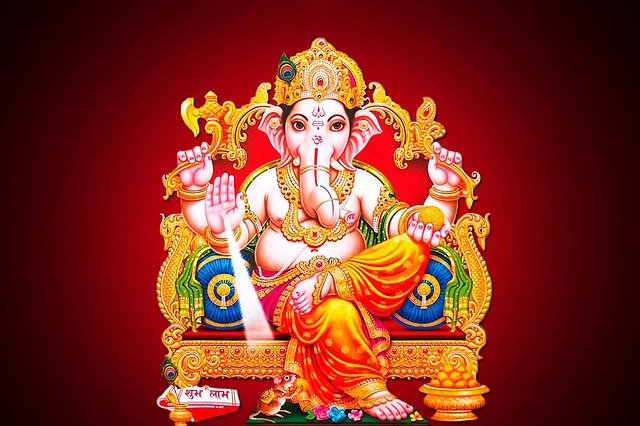
In Hindu religion Lord Ganesh is most beloved and famous God and worshipped before invoking any God or beginning any ceremonial rites be it marriage, entering a new home or starting a new business venture. Lord Ganesh, Son of Lord Shiva and Goddess Parvati, is the destroyer of selfishness and ego and remover of obstacles. He is easily identified by his elephant head, curved trunk, and potbellied attributes. let’s head to read  9 mystical and devotional facts about our most popular deity Lord Ganesha.

Ganesh means Lord of gana (celestial beings). As per Sri, Sri Gana means groups of atoms and different energies which form this universe. He is a controller of all these groups of atoms and energies so he is known as Ganapati or Ganesh (eesh of ganas). So you don’t need to pray to all celestial beings, Praying Lord Ganesh alone removes all obstacles and pave the way for success.

facts about lord Ganesh
via GIPHY

Lord Ganesh’s one of the significant attributes is his wisdom and intellect. His big elephant head gives us a message of thinking big and to remain focused.

Ganesh’s one of the attributes is his protruding belly. As per scripture, he is known as Lambodara or Mahodara because he carries the entire cosmos of past present and future in his belly. Other symbolism of his potbelly is his generosity. He is very generous in fulfilling the desires of his devotees. Now you know why is a very famous and beloved God.

Lord Ganesh has very big ears and the curved trunk. His trunk represents Om symbol and big ears mean he is very attentive and all ears for our wishes and prayers.

All budding artists and writers, please pay attention to this point. Ekdant is one of the names of Lord Ganesh. Ekdant signifies oneness(ekatm) with the Brahma. Did you wonder where is his other tusk? He used his broken tusk to write great epic Mahabharata dictated by Ved Vyasa. Lord Ganesh is a patron of art and letters. Now you know whom should you pray for your success.

Mystical facts about Lord Ganesh

Every God has its own distinct animal or bird vehicle to drive. Our chubby Ganesh rides on Mouse. His mouse represents ego and desires which should be under control. For controlling ego one must be grounded. Now seeing a rat would instantly give you a message of being grounded and self-contained.

Mystical and devotional facts about Lord Ganesha
via GIPHY

Mostly statues and idols of Lord Ganesh depicts four hands. In his upper right hand, he carries elephant goad (Ankush) and in left upper hand Paash(noose). In some statues, lower hands carry lotus and Pot of grains while others depict Abhay Mudra and rosary. By Ankush, he steers his devotee to be on the righteous path and also using goad where evil ambitions need to be checked. Furthermore, He uses paash to capture all difficulties and adversity of his devotees.

In yogic parlance, Lord Ganesh represents Muladhara Chakra located at the base of the spine where kundalini (Adi Shakti) stays slumber. As a first step, in order to awaken kundalini, you need to stabilize the Muladhara chakra. Or in other words, one must pray son Ganesh to please Adi Shakti Parvathi.

Facts about Lord Ganesha
Muladhara Chakra

Lord Ganesh has two consorts Riddhi (one who grants prosperity) and Siddhi (one who grants intellect). Who bore him two sons known as Subh and laabh. You might have purchased stickers of Subh , Laabh and Riddhi, Siddhi during Diwali festival. Now you know the significance of these stickers and the relation with Lord Ganesh.

I hope you have enjoyed reading this post. I would appreciate your valuable comments and suggestions that would help me to do better. you may also like to read Ganesh Aarti

Navratri-The Nine divine days of Goddess Durga

Navratri is being celebrated all across the Indian subcontinent and in Hindu communities the world over with full enthusiasm. The nine days of Chaitra, Ashad, Ashwin, and Maagh are important for Shakti believers. Among four Navratri’s, Chaitra and Shardiya Navratri are most popular. Many divine devotees only observe Aswin Navratri that is Shardiy Navratri.

Chaitra Shukla Pratipada also celebrated as Gudi Padwa and Ugadi in different states of India. This day is considered as the New Year as per Vikram Samvat calendar.

This festival is 9 days long celebration. Navratri is dedicated to nine divine forms of Maa Durga. This festival symbolizes victory over evil. Everybody of us has positive and negative tendencies. The battle between the two is an ongoing process that can only be won when we awaken Chetna inside us.

The pure bliss generated when we invoke the latent energies helps overcome the vices we have inside. These dormant energies can be invoked by praying to Maa Durga. She is the supreme energy of this creation.

The nine-day festival commemorates the nine forms of primordial energy, which is believed to be the source of creation.

navratri

प्रथमं शैलपुत्री च द्वितीयं ब्रह्मचारिणी।

तृतीयं चन्द्रघंटेति कूष्माण्डेति चतुर्थकम् ।।

पंचमं स्क्न्दमातेति षष्ठं कात्यायनीति च ।

सप्तमं कालरात्रीति महागौरीति चाष्टमम् ।।

नवमं सिद्धिदात्री च नवदुर्गाः प्रकीर्तिताः ।।

Nine manifestations of Maa Durga or Shakti can be pleased by specific mantras and offerings. Here are the Nine avatars of Shakti and the mantra for each day of Navratri for seeking blessings from them.

1st day: Maa Shailputri:

The first manifestation of Maa Durga is Shailputr. Shailputri is the daughter of mountain king Hemavan. She is the consort of Lord Shiva. She rides Nandi bull. In Puranas, she is depicted with two hands holding Trishul in her right hand and lotus in her left hand.

Shailaputri represents the earth element; therefore, Shailaputri is the mother nature who is the cause of all the earthly existence.

She resides in the Muladhara Chakra. Stabilizing Muladhara Chakra is the first step in yogic practice to awaken Kundalini. This is one of the reasons why Shailputri worshipped on the first day of Navratri. 

Offering pure desi ghee to Maa Shailputri eradicates the illness and disease from the life of devotees.

Mantra to please Maa Shailputri:- Om Devi Shailaputryai Namah

Dhyan Mantra:-

Vande Vanchhitalabhaya Chandrardhakritashekharam।

 Vrisharudham Shuladharam Shailaputrim Yashasvinim॥

 Punendu Nibham Gauri Muladhara Sthitam Prathama Durga Trinetram।

 Patambara Paridhanam Ratnakirita Namalankara Bhushita॥

 Praphulla Vandana Pallavadharam Kanta Kapolam Tugam Kucham।

 Kamaniyam Lavanyam Snemukhi Kshinamadhyam Nitambanim॥

2nd Day: Devi Brahmcharini 

Maa Brahmacharini worshipped on the 2nd day of Navratri. She is portrayed wearing a white sari and holding chanting beads in her right hand and Kamandal in her left hand. 

She did hard austerity to get Lord Shiva as her Husband therefore known as Brahmacharini. She is considered to be the feminine form of Brahma and seeks to attain Vedic knowledge. 

She controls Swadhisthan chakra in the body.

An offering of kheer ,mishri, or sugar is made to Maa Brahmacharini. She bestows devotees with knowledge, wisdom, and wealth.

Mantra : Om Devi Brahmacharinyai Namah॥

Dhyan Mantra:

Vande Vanchhitalabhaya Chandrardhakritashekharam।

 Japamala Kamandalu Dhara Brahmacharini Shubham॥

 Gauravarna Swadhishthanasthita Dwitiya Durga Trinetram।

 Dhawala Paridhana Brahmarupa Pushpalankara Bhushitam॥

 Parama Vandana Pallavaradharam Kanta Kapola Pina।

 Payodharam Kamaniya Lavanayam Smeramukhi Nimnanabhi Nitambanim॥

3rd Day: Mata Chandrghanta

Chandraghanta is a ferocious and married form of Parvati. She wears the half-moon on her forehead. She has eight hands holding a Trident (Trishul), mace(Gada), bow-arrow, sword (Khattak), lotus flower, bell(Ghanta), and water pot (Kamandal), while one of her hands remain in Abhaya mudra(blessings posture).

She is beautiful, charming, and valiant. She is brave and courageous and uses the lion as her vehicle.

This charming and fierce form of Durga is pleased by offering milk, sweets, or kheer. By her blessings, all the sins, troubles, and physical sufferings of the devotees are eliminated.

Maa chandraghanta resides in.Manipur Chakra 

Mantra: Om Devi Chandraghantayai Namah॥

Dhyan Mantra:

Vande Vanchhitalabhaya Chandrardhakritashekharam।

 Simharudha Chandraghanta Yashasvinim॥

 Manipura Sthitam Tritiya Durga Trinetram।

 Khanga, Gada, Trishula, Chapashara, Padma Kamandalu Mala Varabhitakaram॥

 Patambara Paridhanam Mriduhasya Nanalankara Bhushitam।

 Manjira, Hara, Keyura, Kinkini, Ratnakundala Manditam॥

 Praphulla Vandana Bibadhara Kanta Kapolam Tugam Kucham।

 Kamaniyam Lavanyam Kshinakati Nitambanim॥

4th Day: Maa Kushmanda 

Mata Kushmanda is the 4th form of Maa Durga. Kushmanda is shown with ten hands holding a trident, discus, sword, hook, mace, bow, arrow, and pot of nectar. Her one hand is depicted in abhayamudra, from which she blesses all her devotees. She rides on a tiger.

Maa Kushmanda produced the cosmic egg(anda) with her divine smile. She is the ultimate energy inside the sun and brings light to illuminate the world.

Her abode is Anahata chakra.

Observing fast and offering the bhog of malpua to maa Kushmanda fulfill all desires of Devotees and increases the intellectual power for right decision making.

Mantra: Om Devi Kushmandayai Namah॥ 

Dhyan Mantra: 

Vande Vanchhita Kamarthe Chandrardhakritashekharam।

 Simharudha Ashtabhuja Kushmanda Yashasvinim॥

 Bhaswara Bhanu Nibham Anahata Sthitam Chaturtha Durga Trinetram।

 Kamandalu, Chapa, Bana, Padma, Sudhakalasha, Chakra, Gada, Japawatidharam॥

 Patambara Paridhanam Kamaniyam Mriduhasya Nanalankara Bhushitam।

 Manjira, Hara, Keyura, Kinkini, Ratnakundala, Manditam॥

 Praphulla Vadanamcharu Chibukam Kanta Kapolam Tugam Kucham।

 Komalangi Smeramukhi Shrikanti Nimnabhi Nitambanim॥

5th Day: Devi Skanda Mata

Maa Skanda Mata is the Fifth avatar of Maa Durga; when Parvati became the mother of Skanda or Kartikey, she came to know as Skandmata. She is portrayed with four hands holding lotus and Kartikay in her lap. Another hand blesses his devotees. She rides a lion.

She is a goddess of love and affection. Those who worship her get grace from Mata and her son Kartikeya.

Her abode is in Visuddhi chakra.

bhog of banana is offered to the Goddess. She bestows her devotees with good health, strength, and wealth. Seriously devoted sadhakas of her get salvation.

Mantra: Om Devi Skandamatayai Namah॥

Dhyan Mantra:

Vande Vanchhita Kamarthe Chandrardhakritashekharam।

 Simharudha Chaturbhuja Skandamata Yashasvinim॥

 Dhawalavarna Vishuddha Chakrasthitom Panchama Durga Trinetram।

 Abhaya Padma Yugma Karam Dakshina Uru Putradharam Bhajem॥

 Patambara Paridhanam Mriduhasya Nanalankara Bhushitam।

 Manjira, Hara, Keyura, Kinkini, Ratnakundala Dharinim॥

 Praphulla Vandana Pallavadharam Kanta Kapolam Pina Payodharam।

 Kamaniyam Lavanyam Charu Triwali Nitambanim॥

6th Day: Maa Katyayani 

The sixth form of Maa Durga is Katyayani. She is the daughter of rishi Katyayani, hence known as Katyayni. Katyayani is a warrior form of Durga who slew demon king Mahisasur. Her four hands carry different objects, lotus and khadak in rights hands and the other two left hands show varad (boon giving) and Abhay mudra.

Offering honey to the fierce Goddess is very auspicious. She is a giver of knowledge, courage, and peace of mind. 

She is associated with Ajna chakra, which is also known as third eye chakra. Concentrating between eyes can invoke her blessings.

Mantra: Om Devi Katyayanyai Namah॥

Dhyan Mantra: 

Vande Vanchhita Manorathartha Chandrardhakritashekharam।

 Simharudha Chaturbhuja Katyayani Yashasvinim॥

 Swarnavarna Ajnachakra Sthitam Shashthama Durga Trinetram।

 Varabhita Karam Shagapadadharam Katyayanasutam Bhajami॥

 Patambara Paridhanam Smeramukhi Nanalankara Bhushitam।

 Manjira, Hara, Keyura, Kinkini, Ratnakundala Manditam॥

 Prasannavadana Pallavadharam Kanta Kapolam Tugam Kucham।

 Kamaniyam Lavanyam Trivalivibhushita Nimna Nabhim॥

7th Day: Mata Kalratri 

Maa Kalratri worshipped on the Seventh day of Navratri. Kalratri is a most ferocious form of Maa Durga. She is also known as the slayer of the most dangerous demon Cand and Mund, thus came to know as Chamunda. Subhankari is her other name which means she provides auspicious results to her devotees.

The complexion of the Goddess is extremely dark like night, and her hair is long and open therefore known as Kalratri. She is depicted with four hands, of which the left two hands hold a khadak and a Vajra(thunderbolt), and the right two are in the varada (blessing) and Abhay (protecting) mudras. Kaalratri has three eyes. Her vehicle is a donkey.

She resides at Shashrar chakra, also known as the crown chakra. Sadhakas and tantric gives utmost importance to the seventh day of Navratri since she bestows her devotees with siddhi and Nidhi(Knowledge, wealth, and power)

Sweets made from jaggery are her favorite offering. She provides protection from ghostly hurdles, evil spirits, and negative energies.

Dhyan Mantra:

Om Devi Kalaratryai Namah॥

Karalavandana Ghoram Muktakeshi Chaturbhujam।

 Kalaratrim Karalimka Divyam Vidyutamala Vibhushitam॥

 Divyam Lauhavajra Khadga Vamoghordhva Karambujam।

 Abhayam Varadam Chaiva Dakshinodhvaghah Parnikam Mam॥

 Mahamegha Prabham Shyamam Taksha Chaiva Gardabharudha।

 Ghoradamsha Karalasyam Pinonnata Payodharam॥

 Sukha Prasanna Vadana Smeranna Saroruham।

 Evam Sachiyantayet Kalaratrim Sarvakam Samriddhidam॥

8th Day: Maha Gauri Mantra 

Maa Maha Gauri worshipped on the eighth day of Navratri. She has an extremely fair complexion; due to this reason, she gets the name Maha Gauri. She is beautiful and charming. She has four hands and three eyes. Two of her hand holds trident and tambura while other two are in varada and Abhay mudra. Her mount is bull.

Offering coconuts to Mahagauri fulfills all desires and gets relieved from the suffering and illness. If a childless couple donates coconut to brahmins on this day blessed with a child by the grace of the Goddess.

Mantra: Om Devi Mahagauryai Namah॥

Dhyan Mantra: 

Vande Vanchhita Kamarthe Chandrardhakritashekharam।

 Simharudha Chaturbhuja Mahagauri Yashasvinim॥

 Purnandu Nibham Gauri Somachakrasthitam Ashtamam Mahagauri Trinetram।

 Varabhitikaram Trishula Damarudharam Mahagauri Bhajem॥

 Patambara Paridhanam Mriduhasya Nanalankara Bhushitam।

 Manjira, Hara, Keyura, Kinkini, Ratnakundala Manditam॥

 Praphulla Vandana Pallavadharam Kanta Kapolam Trailokya Mohanam।

 Kamaniyam Lavanyam Mrinalam Chandana Gandhaliptam॥

Navratri 9th Day: Siddhi Datri

Maa Siddhi Datri is the ninth manifestation of Maa Durga; she is para Shakti worshipped by Lord Shiva. She gave siddhi to Lord Shiva; therefore, she gets her name as Siddhidatri. She, along with Shiva, runs the entire universe in the form of Ardhnarishwera.

She is seated on a lotus and has four hands occupying mace, lotus, Sudarshan chakra, and Sankha.

An offering of sesame seeds( til) is very auspicious. She removes all hurdles from the life of devotees and grants siddhi. Sadhak, who seeks divine knowledge and salvation, worships her.

Mantra: Om Devi Siddhidatryai Namah॥

Dhyan Mantra: 

Vande Vanchhita Manorathartha Chandrardhakritashekharam। 

 Kamalasthitam Chaturbhuja Siddhidatri Yashasvinim॥ 

 Swarnavarnna Nirvanachakra Sthitam Navam Durga Trinetram। 

 Shankha, Chakra, Gada, Padmadharam Siddhidatri Bhajem॥ 

 Patambara Paridhanam Mriduhasya Nanalankara Bhushitam। 

 Manjira, Hara, Keyura, Kinkini, Ratnakundala Manditam॥ 

 Praphulla Vandana Pallavadharam Kanta Kapolam Pin Payodharam। 

 Kamaniyam Lavanyam Shrinakati Nimnanabhi Nitambanim॥

navratri nine nights of durga

In a nutshell, Navratri brings opportunity for cleansing body, mind, and soul from the toxicity of food, thoughts, and negativity. Maa Durga slays demons sitting deep inside us. By invoking her divine energies within us we can transcend our physical, and mental boundaries.

Please comment your experience and thoughts about Navratra in the comment box.

Karwachauth Vrat Katha – A Fasting Festival to Celebrate Love

9

karwachauth calendar


In this article, We have got you covered with Karwachauth vrat katha, poojan vidhi and mantra to recite.

In the auspicious month of Kartika and the fourth day of Krishna Paksha , women from north India keep one day fast Karwachauth for their husband’s longevity and happy married life. Karwachauth vrat signifies and celebrate the eternal love between couples. 

This fast starts from sunrise and ends in the evening with moonrise. After seeing and worshiping the moon, women open their fast and drink water. This vrat is most widely observed in Punjab, Haryana, Rajasthan and Uttar Pradesh. The day is marked for strengthening loving tie between married couple.it is also a time when female members of family and friends come together to celebrate this festival

Karwa means a “pot” and Chauth tithi means 4th day of the lunisolar month. Karak Chaturthi is another name of Karwa Chauth. Mention of this festival is present in Vaman Puran.

Women observe this fast for longevity, good health and success in the life of their husbands. They pray Lord Shiva, Mata Gauri, Lord Kartikeya and Lord Ganesh for granting long life and well-being of their husbands.

This day married women spend their day in making special food items which they offer as bhog. On the day of fast women apply mehndi or henna on each other hands. They also adorn themselves with beautiful ornaments.Generally wearing red or maroon color dress considered auspicious for the puja. In Punjab, women eat sargi early in the morning prepared by their mother-in-law and after that, they don’t have a drop of water until moonrise.

karwachauth vrat katha

Karwa Chauth Vrat – Puja Vidhi and Mantra

Traditionally married women observing this fast wake up early in the morning. After taking bath they should recite this mantra for Sankalp.

“mam sukh suabhagyaputrapoutradisusthirshrepaptaye

karakchaturthivratmaham karishyashe “

“मम सुख सौभाग्यपुत्रपौत्रादिसुस्थिरश्रीप्राप्तये करक चतुर्थी व्रतमहं करिष्ये”

In the evening make the vedi of sand( balu) and write pepal tree.then place murti of Shiva, Parvati, kartikay, and Ganesh. Nowadays calenders of karwachuth vrat is available in market where all God and Goddess with peepal tree are shown. Then pray them with this mantra and do shodshopachar pujan. 

Namah shivay sarvanyay subhagyam santatim shubham|

Prayaksha bhaktiyuktanam narinam harvallabhe ||

नमः शिवाय शर्वाण्यै सौभाग्यं सन्ततिं शुभाम। प्रयच्छ भक्तियुक्तानां नारीणां हरवल्लभे।।

karwachauth vrat katha

After praying offer the bhog of Laddo made of ghee, wheat flour, and raw sugar. When the moon appears, women pray and read karwachauth vrat katha and offer water (arghya) from the earthen pot(karwa). With worshiping moon fast culminates and women break their fast by drinking water. In Punjab after sighting moon with the sieve, they also see their husband through the sieve and open their fast by drinking water from their husband’s hand.

karwachauth vrat

Karwachauth Vrat Katha

A long time ago in Shaakprasthpur, there was a Brahmin known as Ved Dharma. He had seven sons and a daughter named Veeravati. After marriage, Veeravati observed karwachauth fast for the first time but could not tolerate the thirst and hunger and desperately waited for the moon to rise. Seven brothers felt pity for their only sister. Therefore, they lit a lamp behind peepal tree and with the help of sieve made it look like the moon has risen.

When Viravati saw moonlight in the sky gave arghya and started to have meal. However, her bhabhi advised her to not eat but she ate. With the first morsel, she got a death news of her husband. She started crying and rushed to his husband’s place.

On the way, she met Indrani. On requesting, Indrani told her that their brothers created the false moon and her husband died because she broke her fast without the appearance of the moon. After knowing what she did, Veeravati asked for the forgiveness. Indrani instructed her to keep fast on Chauth of every month for one year. She kept fast for an entire year on the 4th day of the waning moon. On completing the fast with full dedication, her husband revived, and they lived happily ever after.

Furthermore, the importance of this fast is mentioned in Mahabharata. Lord Krishna himself advised Draupadi to keep this fast since Goddess Parvati observed this fast for Lord Shiva. As instructed Draupadi observed this fast with full devotion and eventually Pandavas got rid of their problems.

Reading and listening karwachauth vrat Katha makes one absolve of their sins.